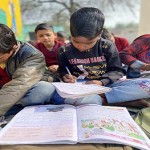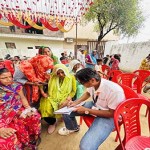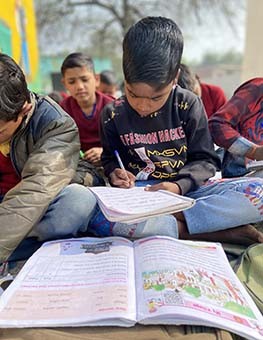
Education is not a privilege—it’s a fundamental human right. Sadly, millions of children worldwide, especially in developing countries, are still denied this right due to poverty, social inequality, and lack of infrastructure. Unprivileged child education is crucial because it breaks the vicious cycle of poverty and gives children hope for a brighter future.
The Current Situation of Unprivileged Child Education Global Statistics
-
According to UNESCO, over 244 million children and youth are out of school globally.
-
In many developing nations, 1 in 5 children drops out of school before completing primary education.
Children from low-income families often lack access to books, uniforms, nutritious food, and safe classrooms.
Poverty, early marriages, gender discrimination, and child labor prevent millions of children from pursuing education.
Why Education is the Key to Breaking Poverty Economic Growth and Job Opportunities
Education opens doors to better job opportunities and financial independence.
Educated children make informed health decisions, reducing disease and malnutrition.
Education empowers children, helping them escape exploitation and discrimination.
Major Challenges in Educating Underprivileged Children
-
Lack of Infrastructure: Rural areas often lack proper schools and teachers.
-
Financial Barriers: Families cannot afford books, uniforms, or tuition fees.
-
Child Labor Issues: Many children work to support their families instead of going to school.
-
Gender Discrimination: Girls often face greater barriers due to cultural norms.
12 Ways to Improve Unprivileged Child Education
1. Free Primary Education
Governments should provide free and compulsory education to all children.
2. Scholarships and Financial AidScholarship programs encourage children from poor families to continue studying.
3. Midday Meal ProgramsProviding meals at schools boosts attendance and ensures children receive nutrition.
4. Affordable School SuppliesFree books, uniforms, and stationery reduce financial burdens.
5. Teacher Training ProgramsWell-trained teachers improve the quality of education.
6. Digital Literacy & E-LearningTechnology bridges the education gap for children in remote areas.
7. Community Awareness CampaignsParents should be educated about the importance of sending children to school.
8. Non-Formal Education CentersEvening schools and mobile classrooms help working children access education.
9. Girl Child Education ProgramsSpecial programs should focus on breaking gender-based barriers.
10. Reducing Child Labor Through PolicyStrict laws and financial support for poor families can eliminate child labor.
11. NGO and Foundation SupportNGOs play a crucial role by building schools, funding education, and providing mentorship.
12. Public-Private Partnerships in EducationCollaboration between governments, NGOs, and businesses can bring large-scale impact.
Role of NGOs and Foundations in Supporting Education
Organizations across the world, including local NGOs, are providing free schools, vocational training, and scholarship programs for underprivileged children. They fill the gap where governments struggle.
Inspiring Success Stories of Underprivileged Children
-
Kailash Satyarthi’s Movement: Rescued thousands of children from child labor and gave them education.
-
Sudha Murty Foundation (India): Built hundreds of schools in rural areas.
-
Malala Fund: Advocates for education of underprivileged girls globally.
Conclusion: Building an Equal Future Through EducationEducating underprivileged children is the most powerful weapon against poverty. Every child deserves the chance to learn, grow, and achieve their dreams. By working together—governments, NGOs, communities, and individuals—we can build a brighter, fairer, and more equal world where education is a right, not a privilege.