
- 1 year ago
- Education Support
Introduction – The Need for Free Educational Coaching
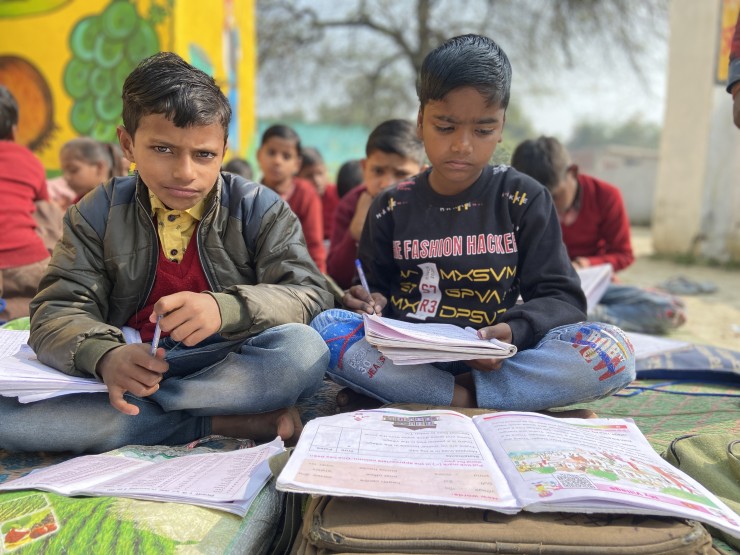
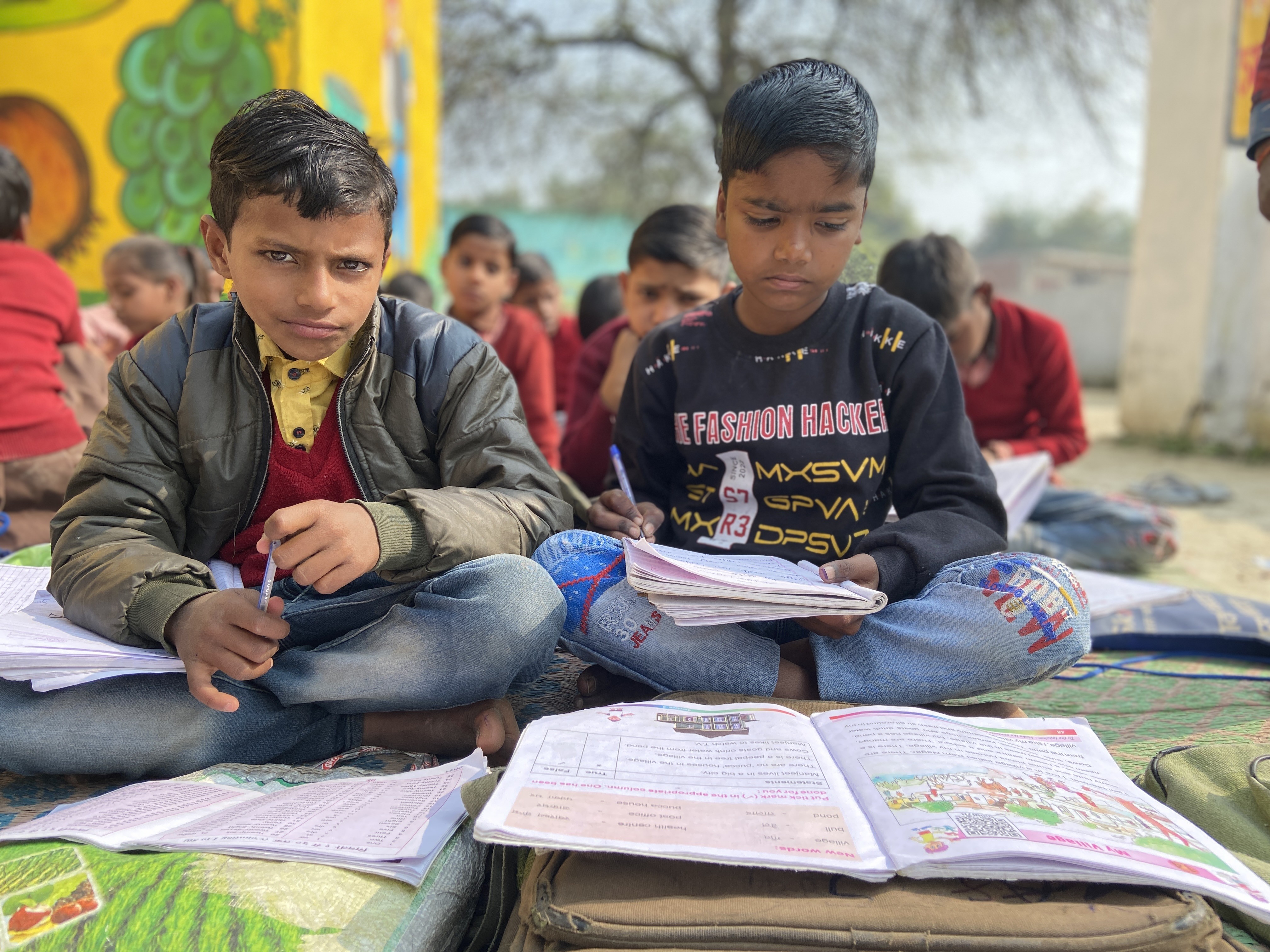
Education is often described as the most powerful weapon that can change the world. Yet, millions of children, especially those from economically weak backgrounds, remain deprived of this fundamental right. Children between the ages of 6 to 14 are at the most crucial stage of learning, but poverty, lack of resources, and social barriers often prevent them from attending school. For these children, free educational coaching can be a ray of hope, ensuring that their dreams are not crushed by circumstances.
Understanding the 6–14 Age Group
The age group of 6–14 years is the foundation of a child’s educational journey. During this stage, children develop essential literacy and numeracy skills, along with social and moral values. Missing out on education at this age can severely limit their opportunities in the future. Hence, providing free coaching classes during these years can make a life-changing difference.
Barriers Faced by Economically Weak Children
-
Financial Struggles – Parents often cannot afford school fees, uniforms, or books.
-
Lack of Awareness – Many families do not understand the long-term value of education.
-
Social and Cultural Challenges – In rural areas, children may be forced into child labor or early marriage, restricting their right to education.
Government Policies and Constitutional Rights
India has made significant progress in ensuring education for all. Under the Right to Education Act (RTE), 2009, every child between the ages of 6 to 14 has the right to free and compulsory education. Additionally, government schemes provide midday meals, free textbooks, and uniforms. However, despite these efforts, many children still lag behind due to lack of guidance, which is where free coaching centers play an essential role.
The Role of Free Educational Coaching Centers
Free coaching centers act as a bridge between children and mainstream education. These centers help in:
-
Strengthening the basics of subjects like Math, Science, and Language.
-
Offering extra guidance to children who cannot afford private tuition.
-
Providing mentorship and career counseling.
Steps to Open a Free Educational Coaching Center
Starting a free coaching center for underprivileged children may sound challenging, but with the right approach, it is entirely possible. Here are the essential steps:
-
Identifying Target Areas – Select slum areas, rural regions, or communities where most children drop out of school.
-
Finding Volunteers and Teachers – Reach out to retired teachers, college students, or educated professionals who are willing to contribute their time.
-
Arranging Study Materials and Infrastructure – Collect donations in the form of books, notebooks, blackboards, chairs, and stationery. Even a small community hall, library, or rented room can be used.
-
Scheduling Flexible Timings – Many children may be involved in small jobs to support their families. Offering classes in the morning or evening can help them balance work and study.
-
Creating a Child-Friendly Environment – Encourage fun learning activities, storytelling, and group discussions to make education enjoyable.
Community Participation and Support
The success of a free coaching center depends on community involvement. NGOs, local organizations, and self-help groups can provide financial and logistical support. Parents and guardians should also be engaged in the process, ensuring that they motivate children to attend regularly.
Digital Education for the Poor
Technology has transformed the way we learn. Even underprivileged children can benefit from free online platforms like Khan Academy, National Digital Library, and Diksha App. Distributing low-cost tablets or setting up community computer centers can bring digital learning to these children, ensuring they are not left behind in today’s tech-driven world.
Benefits of Free Educational Coaching
Free coaching centers create a ripple effect of positive change:
-
Academic Improvement – Children get better grades and build strong basics.
-
Personality Development – Confidence, leadership, and teamwork skills improve.
-
Discipline & Regularity – Coaching teaches punctuality and responsibility.
-
Social Equality – All children, irrespective of background, learn together, reducing discrimination.
Success Stories and Case Studies
-
In Delhi, an NGO started teaching slum children under a flyover. Many of those children later joined mainstream schools and even cleared competitive exams.
-
In Bihar, free evening coaching centers run by volunteers helped several children become first-generation learners in their families.
Such stories show how a small step can lead to a brighter future for countless children.
Challenges in Running Free Coaching Centers
While the idea is noble, it comes with hurdles:
-
Funding Issues – Sustaining operations without steady donations can be tough.
-
Maintaining Consistency – Volunteer teachers may not always be available.
-
Measuring Progress – Tracking children’s improvement requires proper assessment systems.
Possible Solutions for Sustainability
To overcome challenges, centers can:
-
Seek crowdfunding and donations from individuals and organizations.
-
Collaborate with companies under Corporate Social Responsibility (CSR).
-
Form Government-NGO partnerships for financial and resource support.
The Long-Term Impact on Society
When underprivileged children receive education, it breaks the cycle of poverty. Educated children grow into responsible citizens, capable of contributing positively to society. They become less vulnerable to exploitation and more empowered to make informed decisions.
How Individuals Can Contribute
Everyone can play a role in spreading education:
-
Volunteer as a Teacher – Share your knowledge for just a few hours a week.
-
Donate Books & Materials – Old textbooks, stationery, and bags can help.
-
Sponsor a Child – Support the education of at least one child financially.
-
Spread Awareness – Encourage your community to support such initiatives.
Conclusion – A Step Towards an Educated and Empowered Nation
Opening free educational coaching centers for children aged 6 to 14 years is not just about teaching lessons—it’s about giving hope, dignity, and a brighter future to those who deserve it the most. Education is the strongest tool to fight poverty, inequality, and ignorance. By joining hands as a community, we can ensure that no child is left behind just because of financial struggles.
Let us remember: When we educate a child, we empower a nation.
-
General Question
No Update Found
Login To Leave a Comment
Related Causes

Comments (0)